LCI-MTC Group at ITB Asia 2026
Strengthening Our Partnerships Across Asia
October 27, 2026 · by LCI-MTC
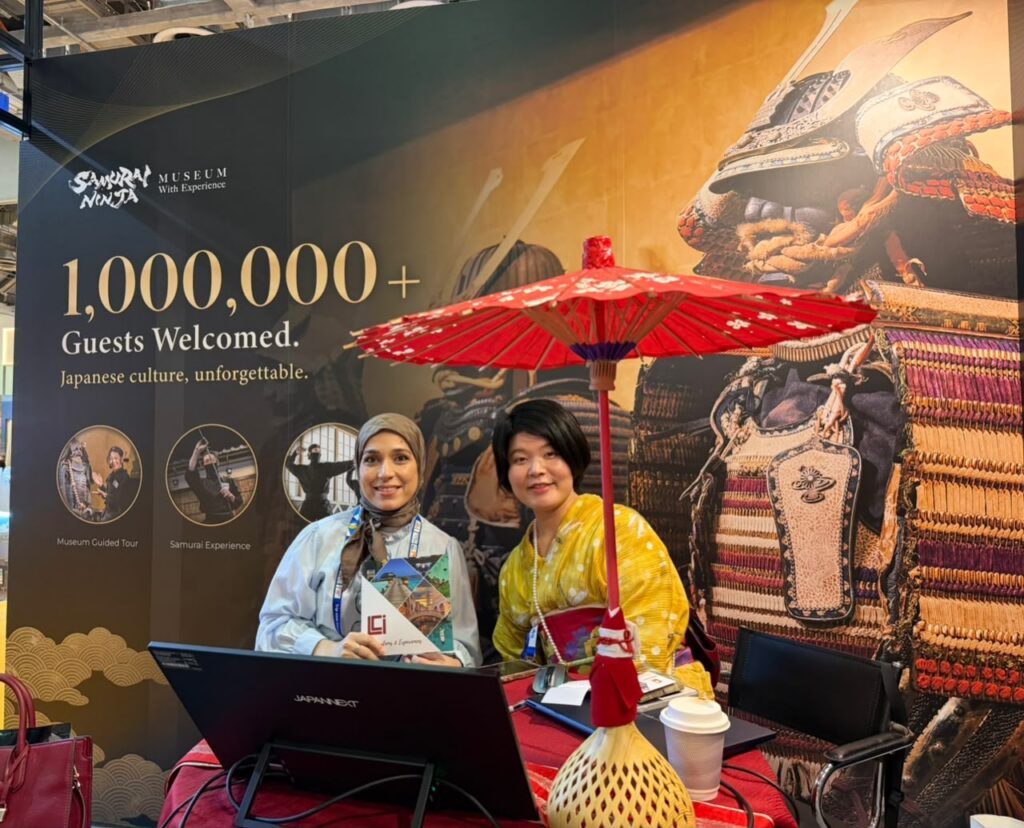
In Singapore, ITB Asia 2026 gave LCI-MTC Group three particularly intense days, filled with meetings, reunions with long-standing partners, and the discovery of new opportunities across Asia’s leading markets.
From Japan to Thailand, by way of Vietnam and Singapore, our conversations brought us together with major hotel groups and independent resorts alike, as well as hospitality players and specialists in local experiences. For LCI-MTC Group, this presence reflects a very concrete approach: strengthening existing relationships, broadening our portfolio, and identifying new opportunities for collaboration directly with the professionals who bring these destinations to life.
As Nazima, who represented the group on site, summarized it, these three days were above all marked by “enriching encounters, new connections, and valuable exchanges with our hotel partners across Asia.” These conversations are now paving the way for new projects and future collaborations.
“Three particularly productive days, filled with enriching encounters, new connections, and valuable exchanges with our partners across Asia.”
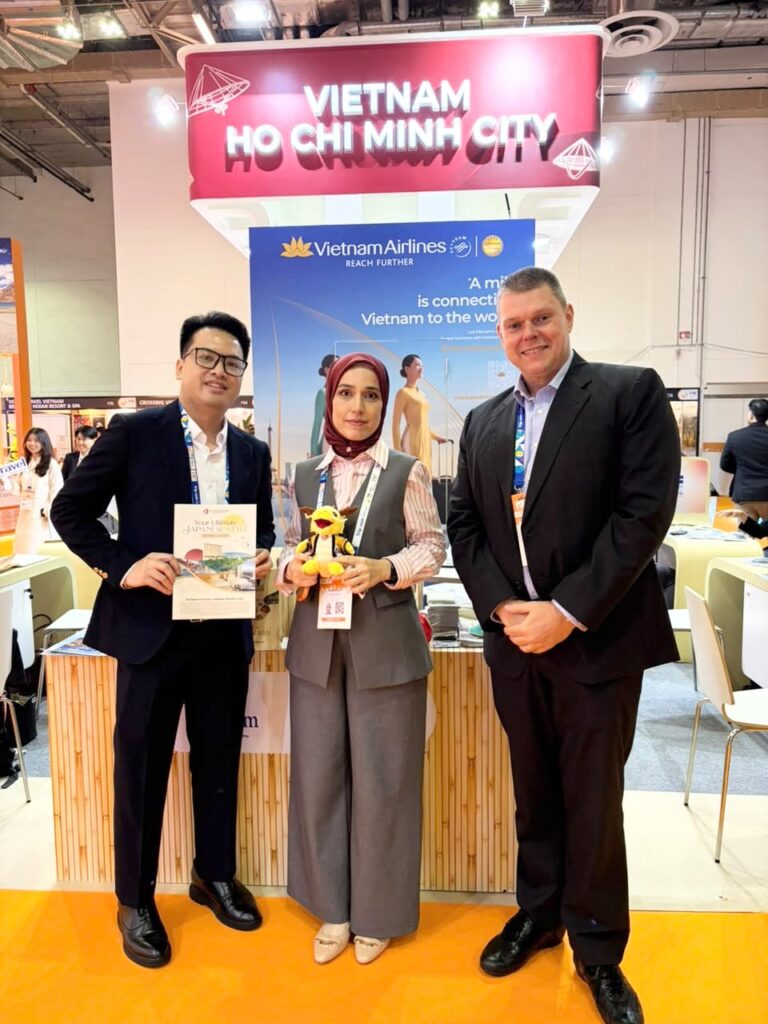
Meeting with the Danang Mikazuki team
ITB Asia 2026, at the Heart of a Multifaceted Asia
More than a simple trade show, ITB Asia offers a remarkably complete picture of tourism across Asia-Pacific. For three days, destinations, hotel groups, independent resorts, DMCs, attractions, transport companies, and distribution specialists come together in a single space, representing markets whose realities can differ dramatically from one another.
This diversity is precisely what sets the Singapore event apart. Japan, Thailand, Vietnam, Singapore, Malaysia, Indonesia, and the various island destinations have each developed their own tourism identity, products, and priorities. Alongside this regional dimension is a strong international presence, with players coming from Europe, the Middle East, the Americas, and Africa. ITB Asia thus brings together the entire travel chain around Asian markets.
The 2026 edition illustrates just how much the event has grown: more than 1,000 exhibiting brands and 1,500 qualified buyers were announced, alongside more than 18,000 attendees overall. Hospitality, leisure, MICE, and technology all come together through the simultaneous staging of ITB Asia, MICE Show Asia, and Travel Tech Asia.
But behind these figures, the real value of the show lies above all in the opportunity to understand firsthand how the various markets are evolving. New hotel openings, destination development, a diversification of experiences, and new distribution strategies all point to an Asian tourism landscape in motion, one where opportunities are multiplying even as each market retains its own distinct character.
A Diversity That Is the Strength of the Asian Market
Tourism development across the region does not follow a single model. Japan places strong emphasis on its cultural identity and hospitality expertise, while Thailand continues to combine major beach destinations, urban hotels, and resorts. Vietnam, meanwhile, is seeing its offering expand rapidly, particularly along its coastal destinations, while Singapore retains its role as both an international hub and a destination in its own right.
This diversity now makes it possible to design far more complete journeys. A single region can combine major cities, beaches, nature, gastronomy, heritage, and cultural experiences, meeting increasingly varied expectations.
For tourism professionals, keeping pace with this evolution is essential. Knowledge of a destination can no longer rely solely on already established products: it also means identifying the new addresses, new concepts, and experiences capable of refreshing what is offered to travelers.
It is precisely this combination of mature markets, emerging destinations, and new experiences that gives ITB Asia its special place on the international professional calendar.
Seibu Prince Hotels
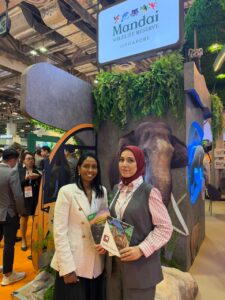
Mandai Wildlife Resort Singapore

New World Phu Quoc
· · ·
Travel Is No Longer Just About the Destination
The theme chosen for ITB Asia 2026, “Experiences in Motion: Human-Centred Design in Travel & Tourism,” captures one of the key shifts observed across the industry: travel is now increasingly built around what one will experience, rather than simply where one will stay.
This shift is directly reflected in travelers’ expectations. Gastronomy, wellness, nature, culture, adventure, and local immersion are playing an increasingly central role in how a trip is designed. A hotel obviously remains essential, but it increasingly becomes the starting point for a broader experience, one that combines discovery of a destination with activities, encounters, and moments that give the journey its own true identity.
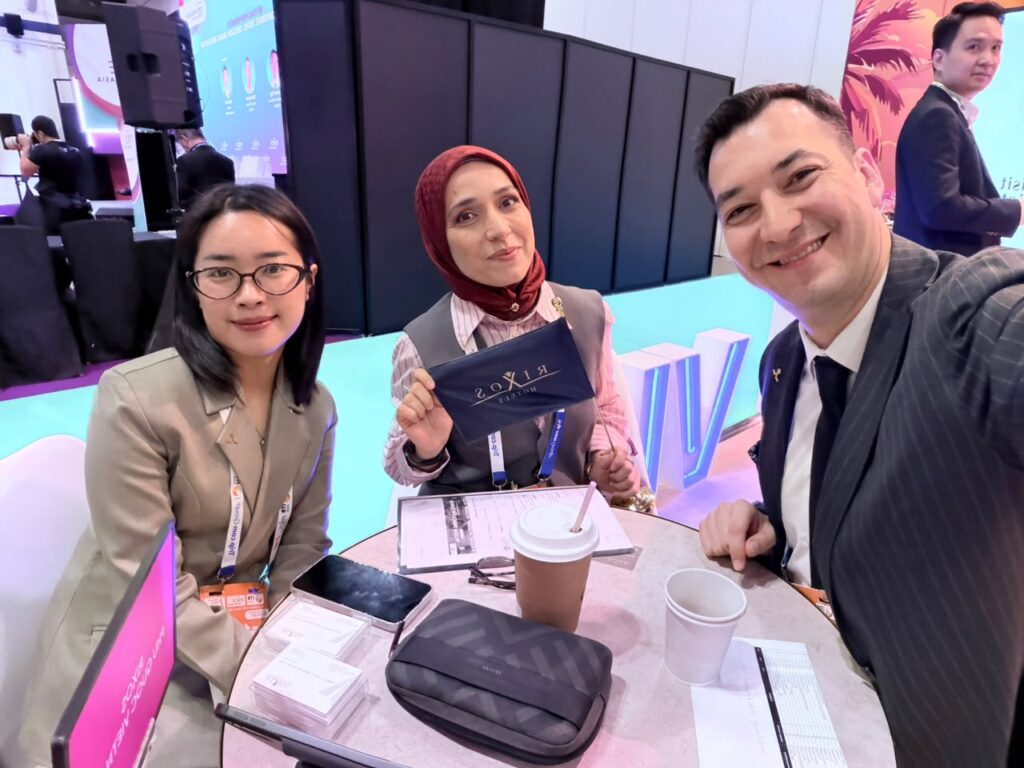
Rixos Phu Quoc Vietnam
ITB Asia reinforced this dimension in 2026 with the creation of new Experience Zones, dedicated in particular to culinary tourism, wellness, and adventure. A space devoted to experiences and attractions, which also included a pavilion developed with Tripadvisor, allowed professionals to discover products that go well beyond the traditional scope of accommodation.
This trend is particularly visible in Asia, where the sheer diversity of destinations makes it remarkably easy to combine several different worlds within a single trip. An urban getaway can be extended with a few days on an island, a cultural experience can round out a beach stay, and a resort itself can become a gateway to local gastronomy, nature, or tradition.
“Travelers no longer simply choose a destination or a hotel: they seek an experience capable of giving their trip meaning and lasting memories.”
Experiences Becoming Genuine Tourism Products in Their Own Right
This transformation is also changing the way professionals build their offerings. Attractions, cultural experiences, outdoor activities, and leisure concepts are gradually becoming fully-fledged components of tourism distribution.
The challenge is no longer simply to multiply the activities on offer, but to propose experiences that are coherent with the destination and with the expectations of each type of traveler. A family holiday, a romantic getaway, a cultural journey, or a few days devoted to wellness are each built in very different ways.
For tourism industry players, this shift opens up new possibilities: bringing accommodation, destination, and experiences more closely together, while giving travelers even more reasons to discover a place in a different way.
This is also one of the most interesting developments highlighted by ITB Asia 2026: the tourism product is gradually becoming a more complete whole, in which accommodation remains an important component of the trip, but rarely the only one.

Connecting with Tokyu Hotels group.
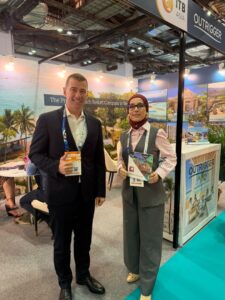
OUTRIGGER Group (Thailand)
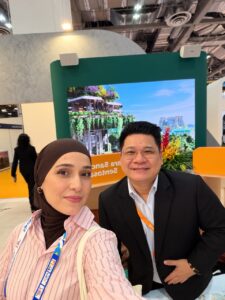
Amara Sentosa
· · ·
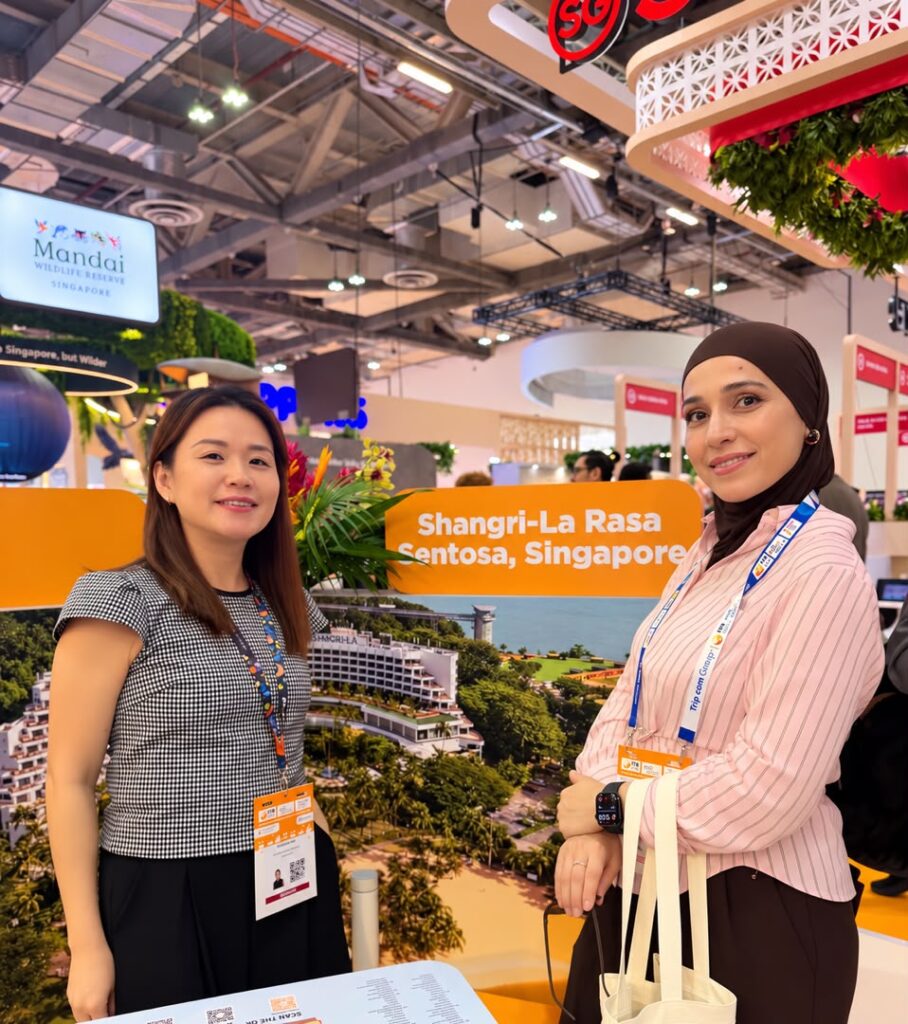
Meeting with new DOS, Shangrila Sentosa
Connecting Markets, Partners, and Travelers
Beyond destinations and experiences, ITB Asia also highlights another essential transformation within tourism: the way the industry’s different players connect with one another. Hotels, distributors, DMCs, technology platforms, and destinations must now exchange ever greater volumes of content, availability, and data, often in real time.
This evolution naturally accompanies the growth of digital distribution. For a hotel group as much as for an international distributor, maintaining a presence across multiple markets now requires the ability to distribute a reliable, up-to-date offering adapted to the various sales channels, and to do so quickly. The quality of connectivity is thus becoming just as strategic as the quality of the product itself.
The presence of Travel Tech Asia alongside ITB Asia perfectly illustrates this convergence between tourism and technology. Distribution solutions, automation, artificial intelligence, content management, and personalization of the traveler journey are now an integral part of an industry where technology plays a role at every stage, from the initial search all the way through to the stay itself. (itb-asia.com)
Yet this digitalization does not erase the human dimension of the business. On the contrary, the more interconnected systems become, the more trust, an understanding of each party’s needs, and the quality of business relationships remain essential to turning a simple technical connection into a lasting partnership.
“Technology makes exchange and distribution easier; it is still human relationships that give rise to genuine partnerships.”
Singapore, a Natural Crossroads for Asia
In this context, Singapore occupies a particularly strategic position. Its international connectivity, its economic environment, and its proximity to Southeast Asia’s leading markets make it a natural meeting point between regional and international players.
This position is directly reflected at ITB Asia. Within just a few thousand square meters, professionals cross paths representing markets as different as Japan, Thailand, Vietnam, Indonesia, and Malaysia, alongside groups and distributors from Europe, the Middle East, and other regions of the world.
For LCI-MTC Group, this ability to connect different markets reflects the day-to-day reality of our own activities. Distribution, hospitality, technology, and destination expertise are becoming increasingly inseparable when it comes to putting together a relevant international offering.
It is precisely this combination of technology, product expertise, and professional relationships that allows tourism to continue developing in an increasingly connected environment.
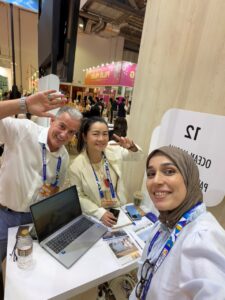
Ocean Marina Resort Pattaya
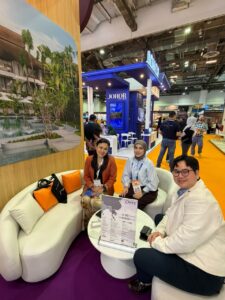
ONYX – regional DOS Asia
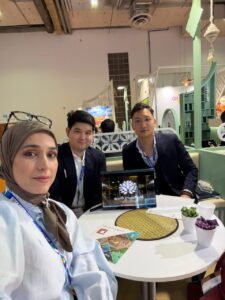
MAI Resorts Group – Thailand
An Edition Looking Toward New Horizons
For LCI-MTC Group, ITB Asia 2026 confirmed the full richness and diversity of the Asian market: destinations with remarkably distinct identities, a hotel offering in constant evolution, experiences that are ever more varied, and an industry in which technology and human relationships now move forward together.
These three days in Singapore allowed us to take a closer measure of the transformations under way, while also strengthening ties with the people who bring these markets to life every day. Beyond the show itself, what matters most now happens in the follow-through: continuing the conversations, deepening the discussions, and gradually turning the opportunities identified into concrete collaborations.
As Nazime summarized it, the goal is now clear: to make these encounters the starting point for new, lasting partnerships.
LCI-MTC Group thus leaves Singapore with fresh ideas, strengthened connections, and an even clearer vision of the opportunities Asia has to offer — already looking ahead to the next steps.
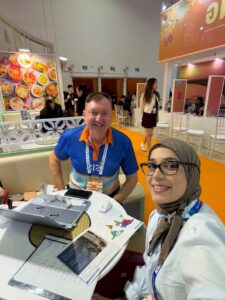
The SIS Kata (Phuket)- Director of Hotel

The Pavilions Hotels and Resorts

Amari Bangkok

Melia Serenity Cam Ranh Beach Resort.

Vietnam and Thailand clusters
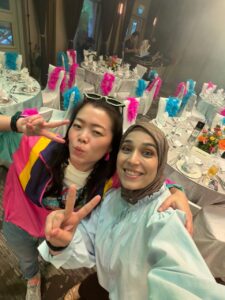
At Far East Hospitality event