
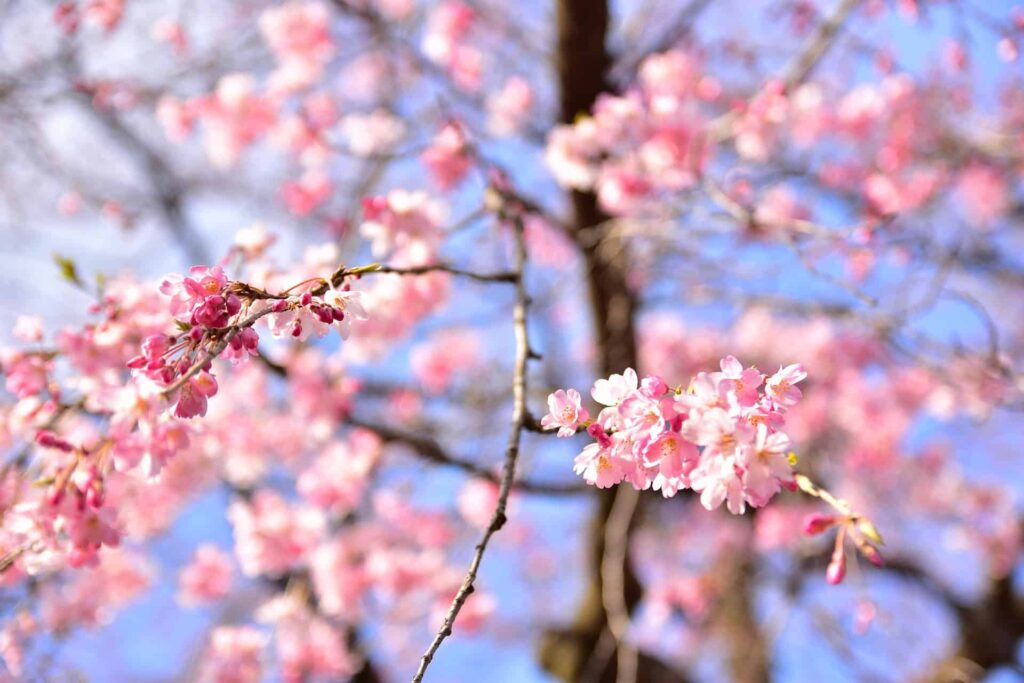
Travel Journal / Japan
Japan, Six Days Between Futuristic Vertigo and Millennial Serenity
Tokyo · Kyoto · Osaka — From Neon to the Silence of Temples
July 16, 2026 · by LCI-MTC
Six days, three cities, two faces of the same country. Our itinerary took us from Tokyo to Kyoto, with a final stopover in Osaka: three days in the electric capital, three days in the former imperial city, one night in the gourmet metropolis of Kansai. A short, dense format, designed as the ideal scouting trip—the one your most curious clients dream of experiencing as their first introduction to Japan.
What strikes you first in Japan is the smoothness with which everything seems to run. Trains depart to the second, the streets are immaculate, and the sense of safety is constant. Yet this near-perfect efficiency doesn’t make the country feel cold. On the contrary, it comes with a quiet warmth and a rare delicacy, as we were able to experience firsthand.
Travel journal, verified addresses, and hotel scouting: here is what we brought back from the archipelago.
Tokyo, Pure Energy
A spectacular immersion in the most modern and creative Japan.
First stop on this journey, Tokyo immediately sets the tone: an immense city, luminous and in perpetual motion, yet also surprisingly clean, safe, and organized. For independent travelers, one piece of advice is essential from the start: plan for good walking shoes. Tokyo is best discovered on foot, and its major stations can resemble veritable underground cities. The transportation network remains remarkably efficient, however, and makes it easy to reach even the most distant neighborhoods.
From Narita Airport, located approximately 70 kilometers from the center, the journey generally takes over an hour. The Keisei Skyliner is fast but impractical with several large suitcases. In this case, the Airport Limousine Bus is often a better solution, as it serves many hotels directly, including the Hyatt Regency Tokyo. Taxi remains the most comfortable option, but also the most expensive. Once there, choosing a hotel near a train or subway station truly transforms the experience of the stay.
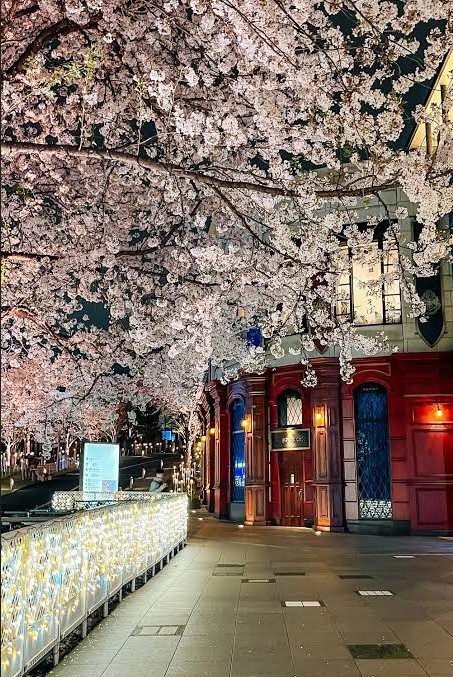
Tokyo Under the Cherry Blossoms
Tokyo stands out for the diversity of its discoveries. The immersive digital installations of teamLab, the panoramic observatories, the Sky Garden, the Harry Potter-inspired station, and the famous steampunk clock show reveal a creative and spectacular capital. Lovers of Japanese beauty will find their happiness at @cosme TOKYO, while Muslim travelers have several options, such as Halal Cheezy for pizza. For tax-free shopping, it is essential to always keep your passport with you.
Visits to the Hyatt Regency Tokyo, the Four Seasons Hotel Tokyo at Otemachi, and the Mandarin Oriental Tokyo also allowed us to measure the quality of local hospitality. But the most memorable moment remains that of the Park Hyatt Tokyo: after forgetting a jacket in the room, a hotel staff member was already waiting at Shinjuku Station to return it. A simple gesture, but revealing of that attention, efficiency, and kindness that make Tokyo as impressive as it is endearing.
“Tokyo fascinates with its contrasts and incomparable energy. Behind its futuristic skyscrapers lie traditions, gardens, and neighborhoods steeped in history.”

Discover
Hyatt Regency Tokyo
For this stay, we were welcomed at the Hyatt Regency Tokyo, in the heart of Shinjuku—a strategically perfect base camp. Minutes from the world’s largest station, the hotel checks the box that matters most in Tokyo: immediate proximity to transportation, including the Airport Limousine Bus that stops directly at its door—ideal for luggage-laden arrivals from Narita. A reliable choice from the Hyatt brand, well-versed in international clientele, which confirms our conviction: in Tokyo, a good hotel is first and foremost a well-located hotel.
Discover
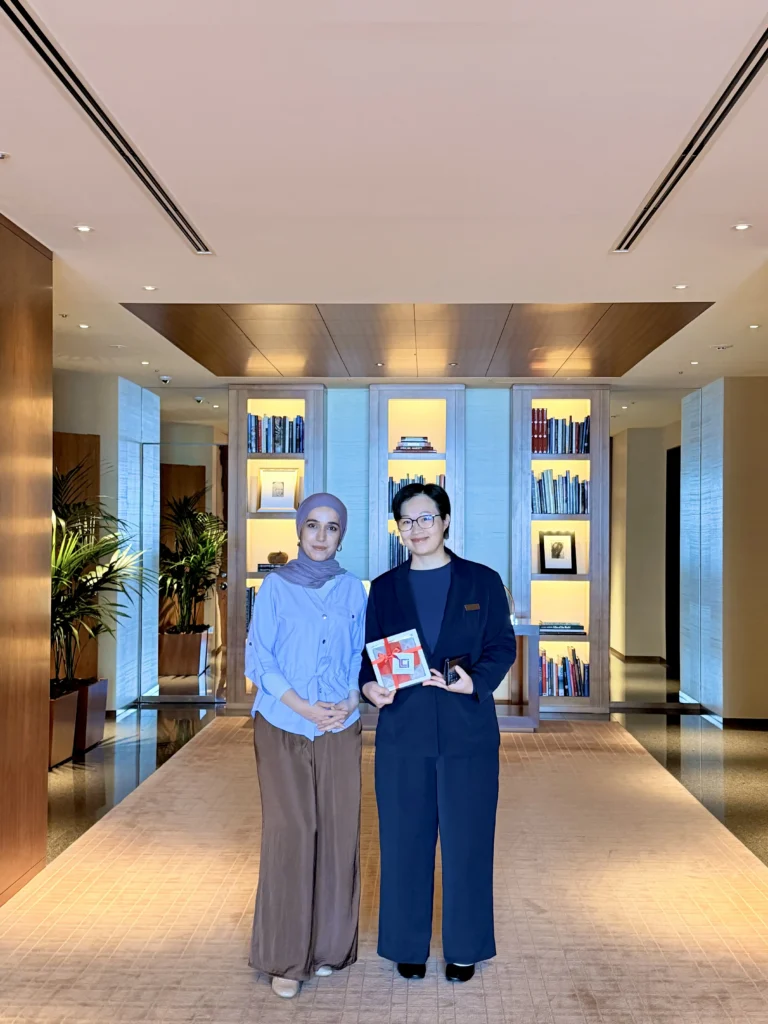
Park Hyatt Tokyo
Our second home base was a legend: the Park Hyatt Tokyo, perched atop its Shinjuku tower, the very one immortalized in cinema in Lost in Translation. The views over the sea of city lights—and Mount Fuji on clear days—are breathtaking, the hushed calm of the upper floors contrasts with the effervescence below, and the service reaches a level of delicacy that gave us the most memorable anecdote of the trip—we’ll tell you about it below. For clientele seeking a legendary Tokyo address, this is it.
· · ·
Kyoto, Time Rediscovered
From Tokyo to Kyoto, a journey from the future to eternity.
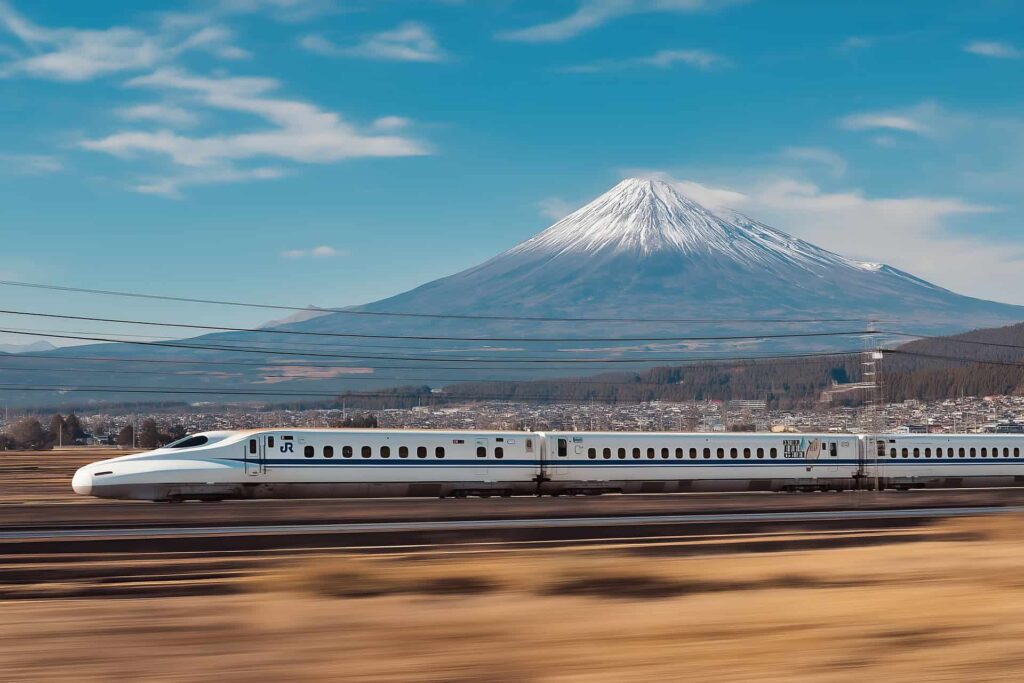
After the intensity of Tokyo, arriving in Kyoto provides a genuine change of pace. The Shinkansen connects the two cities in just over two hours; a reserved seat with luggage space is a wise choice, especially when traveling with large suitcases. Gradually, the skyscrapers and neon lights disappear to give way to wooden houses, temples, gardens, and alleyways where heritage continues to be part of daily life.
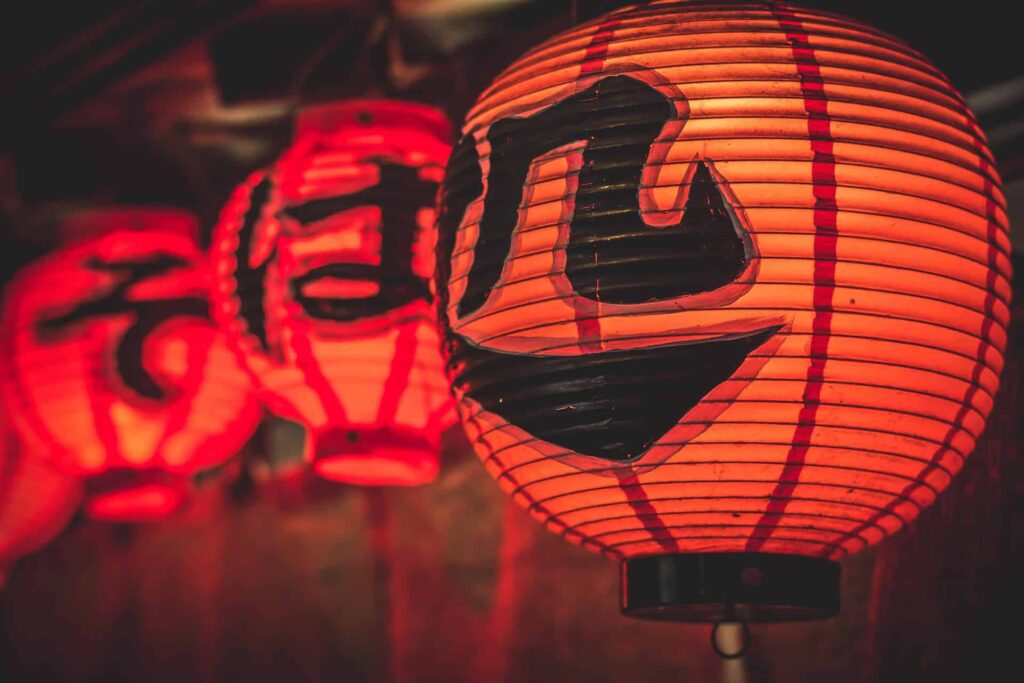
Kyoto is best discovered not in haste but through observation. The city reveals its personality in the silence of a garden, the fragrance of tea, ancient facades, and small shops passed down through generations. The atmosphere becomes particularly pleasant in the late afternoon, when lanterns light up in the historic districts and around the Nishiki Market. The streets then regain a more intimate dimension, far from the bustle of peak visiting hours.
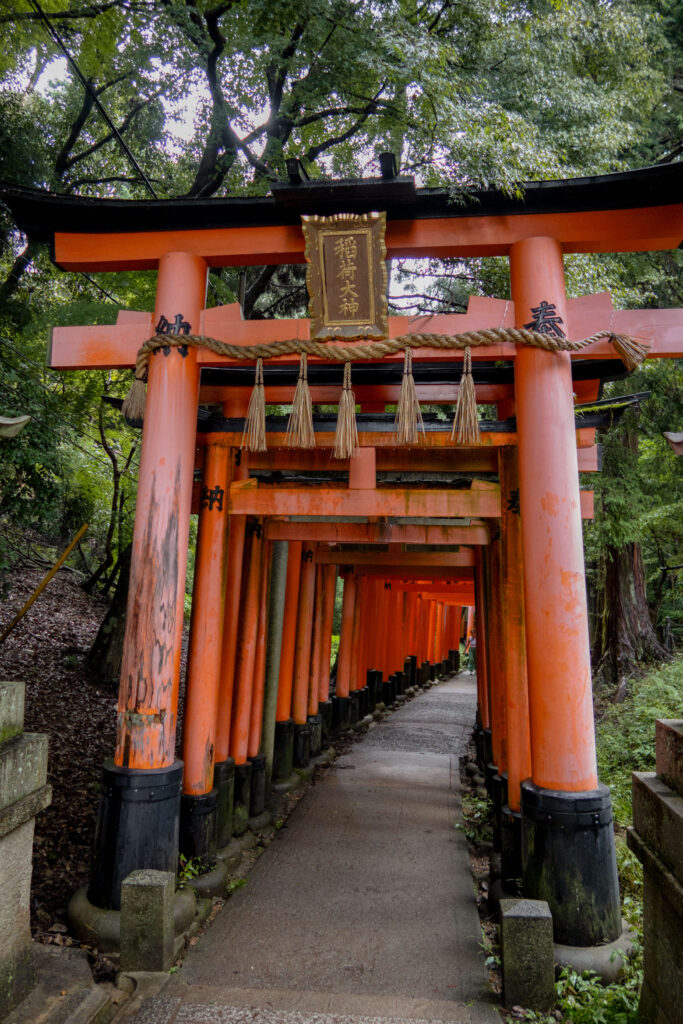
Photo Caption
For a first visit, the area around Kyoto Station makes a particularly practical base camp. It provides easy access to temples, downtown, and various neighborhoods, while offering a vast selection of shops and restaurants. Several halal-friendly addresses can be found near the station and around Nishiki Market. To continue on to Osaka or head directly to Kansai International Airport, there is no need to pay the Shinkansen supplement: JR trains are more economical and perfectly suited to these journeys.
Visits to the Hyatt Place Kyoto, the Four Seasons Hotel Kyoto, the Park Hyatt Kyoto, and ROKU KYOTO revealed different ways of interpreting local hospitality, from the functional urban hotel to the grand luxury retreat inspired by Japanese traditions. Kyoto remains above all the moment when the journey seems to slow down. After Tokyo’s spectacular modernity, it reminds us that Japan can also be understood through its discreet gestures, its markets, its landscapes, and its ability to preserve its history without ever freezing it.
“In Kyoto, time seems to slow down to better reveal the essential. Between silent temples, ancient alleyways, and peaceful gardens, each moment gives the feeling of traveling to the heart of a preserved Japan.”

Discover
Hyatt Place Kyoto
In Kyoto, we were first welcomed at the Hyatt Place Kyoto—and this is the address we retain as the smart option in the city. Modern comfort, no-nonsense efficiency, and a practical location for exploring Nishiki, the temples, and the station: everything needed for a smooth stay, at a price point that makes it the ideal ally for groups and controlled budgets—without sacrificing Hyatt brand standards. Proof that in Kyoto, accommodating your clientele well doesn’t necessarily mean a palace hotel.

Discover
Hyatt Regency Kyoto
Second home base of our Kyoto stay: the Hyatt Regency Kyoto, steps away from the treasures of the ancient city. The address combines the discreet refinement typical of Japan—wood, textiles, soft lighting—with the polished comfort of a major international brand: the right balance for clientele who want to experience traditional Kyoto without giving up their familiar comforts. Attentive service, peaceful atmosphere: the perfect setting to savor the lantern-lit evenings that create the magic of the old capital.
· · ·
Osaka, Unfiltered Energy
A final vibrant stopover in the heart of the most popular Japan.
Final stop on this Japanese journey, Osaka offers a new change of pace after Kyoto. To make the journey between the two cities, there’s no need to pay the Shinkansen supplement: a JR train is more economical, practical, and perfectly adequate. In less than an hour, temples and ancient alleyways give way to a popular, luminous metropolis resolutely oriented toward movement.
Osaka possesses a more spontaneous and relaxed energy than Tokyo. The city lives around its stations, shopping arcades, and countless restaurants. For a short stopover, the Umeda district makes an excellent base: JR Osaka Station provides easy access to Kyoto, Kobe, Nara, or Kansai Airport, while shops and restaurants remain within walking distance.
One night is obviously not enough to discover all facets of the city. It does, however, allow you to feel its atmosphere and glimpse another image of Japan, more direct and convivial. The Namba and Dotonbori districts, with their illuminated signs, extravagant facades, and street food, perfectly embody this generous and popular personality.
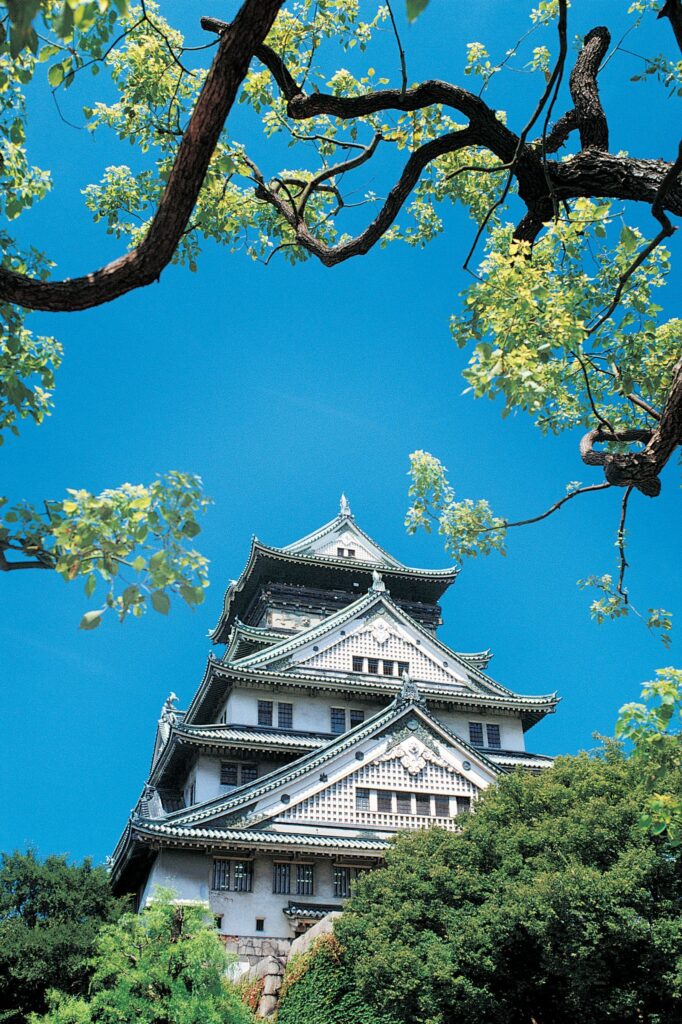
Photo Caption
This stopover was also an opportunity to discover the Hilton Osaka, particularly practical thanks to its proximity to the station, as well as the Four Seasons Hotel Osaka, a more recent address offering an elegant contemporary interpretation of the ryokan. Osaka thus provides a final dose of energy to the journey and reminds us that each Japanese city has its own rhythm, character, and very particular way of welcoming visitors.
“Your quote here. A sentence that captures the essence of the journey, a personal reflection, a memorable moment.”
Discover
Four Seasons Osaka
For our single night in Osaka, we were welcomed at the Four Seasons Hotel Osaka—and what a conclusion to the journey. The new luxury reference in the city, the property marries the Four Seasons signature with an assertive Japanese sensibility, including its Gensui floors inspired by ryokan, featuring light wood, clean lines, and subdued lighting. The service, precise without stiffness, offers a final distillation of what Japan does best in hospitality. One night is enough to understand why this address deserves its place in any Kansai itinerary—and to make you want to return for longer.
Japan, Beyond the Journey
From Tokyo to Kyoto, then Osaka, this journey revealed three profoundly different faces of Japan. The first impresses with its futuristic energy and organization, the second invites you to slow down in contact with temples, markets, and traditions, while the third seduces with its popular, spontaneous, and gourmet character. Despite the brevity of the stay, each stop brought its own rhythm and its own memories.
Beyond the landscapes, hotels, and culinary discoveries, it is above all the quality of the welcome that will remain in memory. The kindness, respect, and attention to the smallest details make travel surprisingly simple in a country that is nonetheless immense. The episode of the forgotten jacket, returned directly to the station by the Park Hyatt Tokyo team, perfectly sums up this constant desire to help and go further than what is expected.
Japan finally reminds us that a journey is not simply a succession of visits. Train rides, long walks, impromptu meals, and unexpected discoveries often occupy as important a place as monuments. It is therefore necessary to plan your itinerary, but also to accept departing from it: it is often these unforeseen moments that transform a stay into an unforgettable memory.
Discover
Japan
A land of contrasts, Japan combines futuristic megacities, ancestral traditions, natural landscapes, and remarkable hospitality, offering a journey as exotic as it is unforgettable.
Discover
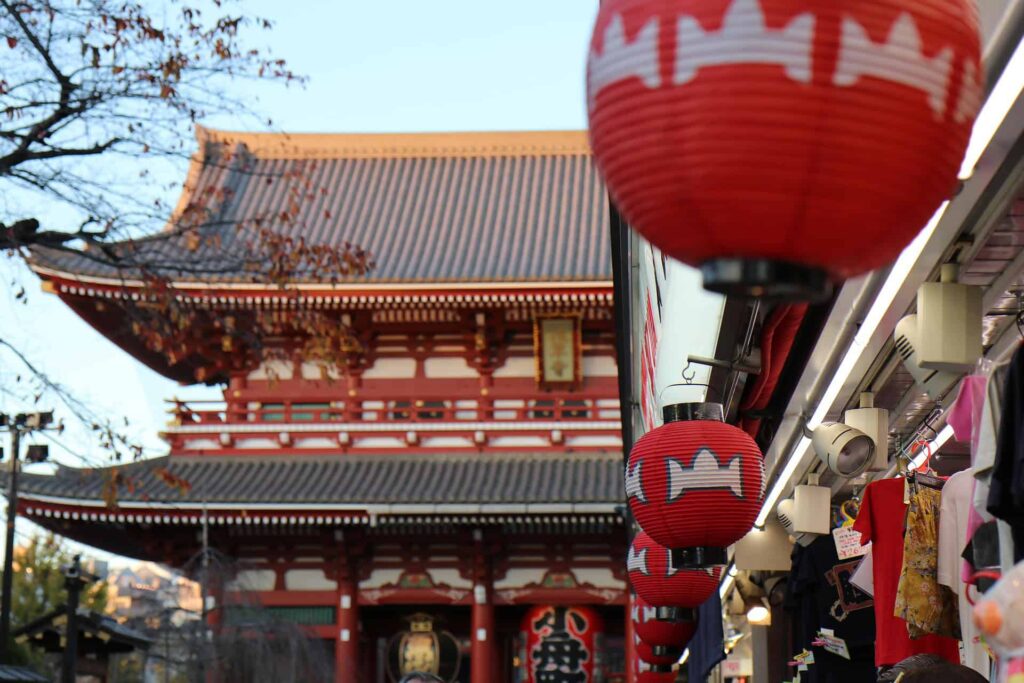
Tokyo
A vibrant and ultramodern capital, Tokyo blends skyscrapers, lively neighborhoods, peaceful temples, shopping, and gastronomy in a city as impressive as it is efficient.
Discover
Kyoto
The former imperial capital, Kyoto captivates with its temples, gardens, traditional alleyways, and preserved heritage, offering an immersion in the most authentic Japan.
Discover
Osaka
Popular, gourmet, and full of energy, Osaka is renowned for its street food, illuminated districts, and more spontaneous and relaxed atmosphere